


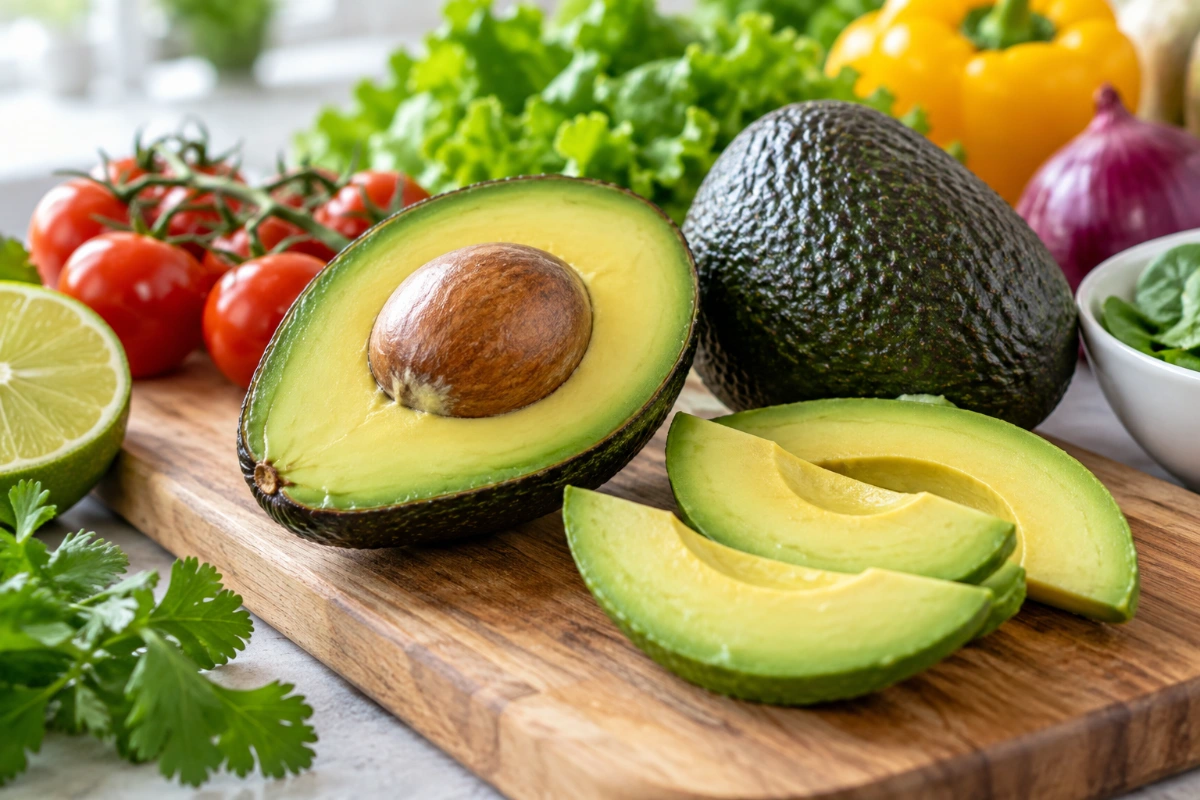
Avocado benefits have attracted growing attention because this creamy fruit provides fiber, monounsaturated fat, potassium, folate, vitamins and other plant compounds. Unlike many fruits, avocado is relatively high in fat and low in sugar, which gives it a different nutritional profile.
Research has examined avocado consumption in relation to cholesterol, cardiovascular risk factors, satiety, weight management and skin health. However, avocado is not a medicine or a guaranteed treatment for any disease. Its benefits depend on the overall diet, portion size and individual health needs.
Table of Contents
What Makes Avocado Nutritionally Different?
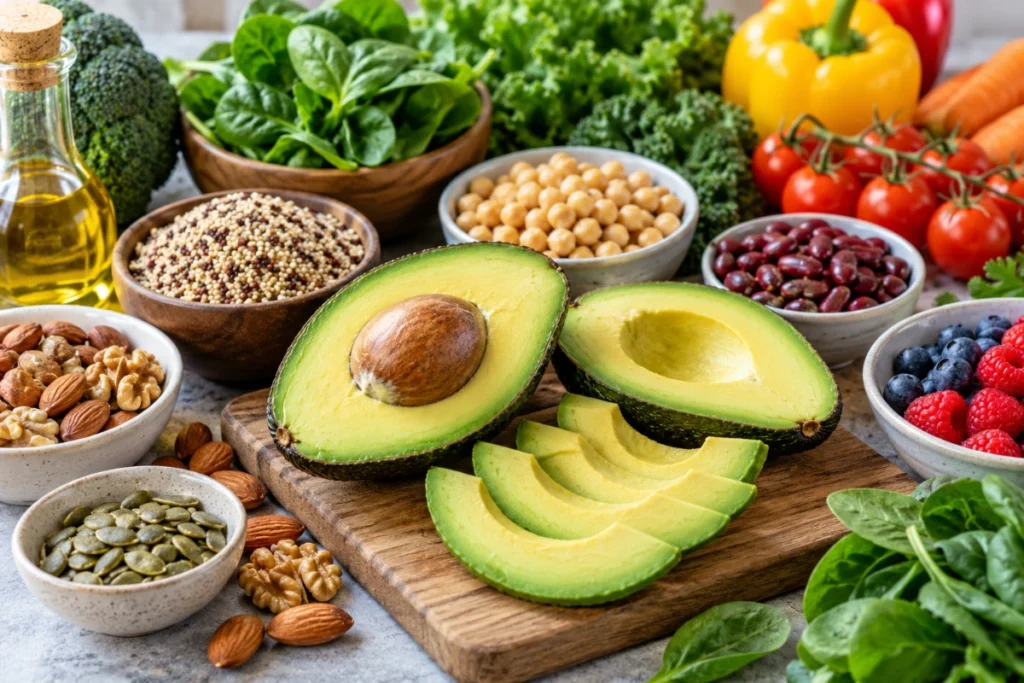
Avocado, sometimes called butter fruit, is a nutrient-dense fruit with a substantial amount of fat compared with most other fruits.
According to USDA-derived food-composition data, 100 grams of raw avocado contains approximately:
| Nutrient | Amount per 100 g |
|---|---|
| Calories | 160 kcal |
| Total fat | 14.7 g |
| Carbohydrates | 8.5 g |
| Dietary fiber | 6.7 g |
| Protein | 2 g |
| Potassium | 485 mg |
| Vitamin C | 10 mg |
| Vitamin E | About 2.1 mg |
| Vitamin K | About 21 µg |
| Folate | About 81 µg |
These values are reference values for raw avocado and can vary somewhat by variety and serving size.
The fat in avocado is predominantly unsaturated fat, including monounsaturated fatty acids. It also supplies lutein and zeaxanthin, carotenoids that are relevant to eye health.
7 Important Avocado Benefits
1. May Support Heart-Healthy Eating
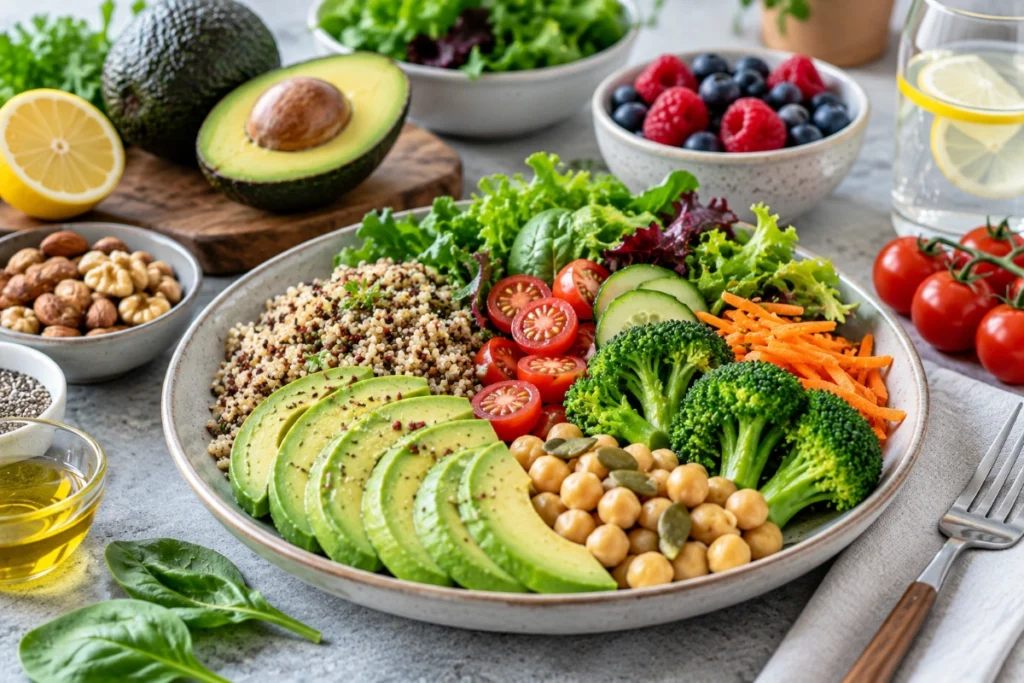
One of the best-studied avocado benefits relates to blood lipids.
Avocado provides monounsaturated fat, which can be useful when it replaces foods high in saturated fat. Several controlled studies have reported improvements in LDL cholesterol or other lipid measures when avocado is included in certain dietary patterns.
A 2023 systematic review and meta-analysis of randomized trials found that avocado consumption was associated with lower LDL cholesterol in the studied populations, although the researchers noted limitations in the available evidence.
More recent research published in 2026 also found that replacing energy from solid fats and added sugars with one avocado per day improved several lipoprotein measures in adults with elevated triglycerides.
This does not mean that eating avocado will prevent heart attacks or “clear” blocked arteries. Rather, avocado can be one component of an overall heart-healthy eating pattern.
2. Provides a Good Amount of Dietary Fiber
Fiber is another important reason avocado is nutritionally valuable.
About 100 grams of avocado provides around 6.7 grams of dietary fiber.
Adequate dietary fiber supports normal digestive function and can contribute to feelings of fullness. Avocado’s combination of fiber and fat can also make a meal more satisfying.
However, suddenly eating large amounts of high-fiber foods may cause bloating or digestive discomfort in some people. Increasing fiber gradually and drinking adequate fluids can help.
3. May Help With Satiety and Weight Management
Avocado is sometimes promoted as a weight-loss food, but the evidence needs to be interpreted carefully.
Avocado contains both fat and fiber, two components that can contribute to satiety. In a randomized clinical trial, a meal containing avocado increased reported satisfaction and reduced hunger compared with a lower-fat control meal in overweight and obese adults.
Another 12-week randomized study examined avocado as part of a calorie-restricted diet. Both the avocado and control groups lost weight, and the study did not demonstrate that avocado itself was responsible for the weight loss.
Therefore, avocado can fit into a weight-management diet, especially when it replaces less nutritious foods, but it is not a standalone weight-loss treatment.
Portion size matters because avocado is energy-dense: 100 grams provides about 160 calories.
4. Supplies Potassium and Other Essential Nutrients
Avocado provides several micronutrients, including potassium, folate, vitamins C, E and K, and vitamin B6.
Potassium is an essential mineral involved in normal nerve function, muscle contraction and fluid balance.
Avocado also contains folate, which is important for DNA synthesis and cell division. Vitamin C and vitamin E contribute to antioxidant functions, while vitamin K has important roles in blood clotting and bone metabolism.
Its nutritional value is one reason avocado can be useful as part of a varied diet rather than being viewed only as a source of “healthy fat.”
5. Contains Lutein and Zeaxanthin
Avocado contains carotenoids including lutein and zeaxanthin. These compounds are found in the eye and are involved in protection against oxidative stress.
Eating avocado does not guarantee protection against eye disease, and it should not replace an overall nutrient-rich diet or medical treatment. However, including foods containing these carotenoids can contribute to overall dietary quality.
Interestingly, controlled research has also found that avocado consumption can increase plasma lutein concentrations under certain dietary conditions.
6. May Have Skin-Related Benefits
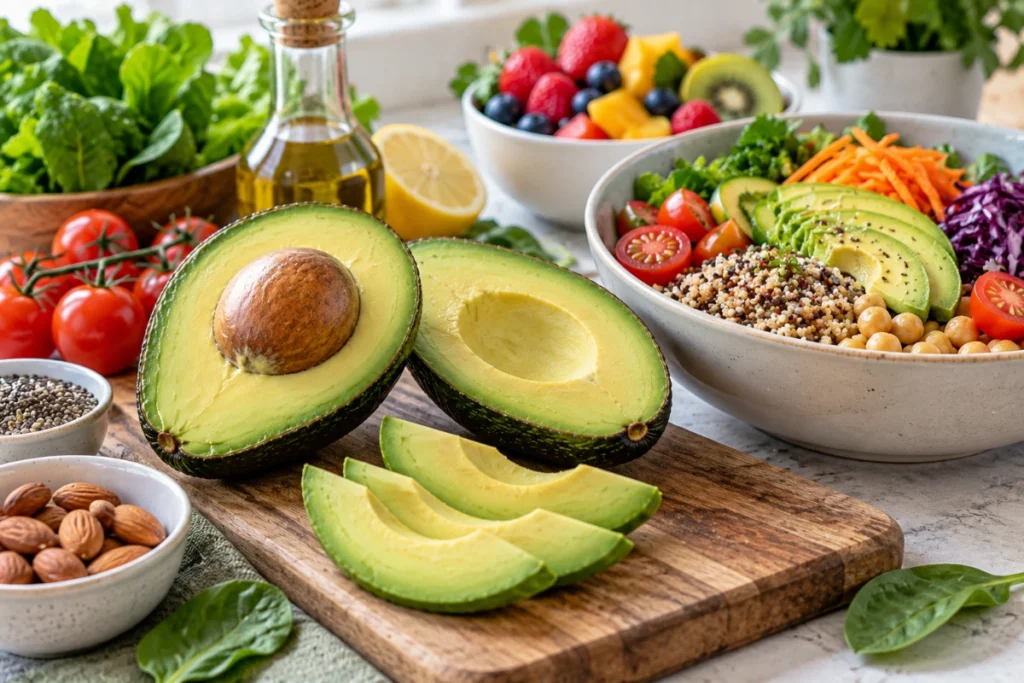
Avocado is often discussed in relation to skin health because it supplies monounsaturated fat, vitamin E and carotenoids.
There is some human research, although it is still limited. A randomized pilot study involving 39 healthy overweight women found that eating one avocado daily for eight weeks was associated with increased facial skin elasticity and firmness compared with baseline and, for firmness, compared with the control group. The study did not find significant differences in skin hydration, pigmentation, sebum or UVB resistance.
This is promising but should not be interpreted as proof that avocado prevents wrinkles or replaces sunscreen or dermatological treatment.
7. Can Add Nutritional Value to Everyday Meals
Avocado can be used in several ways:
- Spread on whole-grain toast
- Added to salads
- Used in sandwiches
- Mashed into guacamole
- Added to smoothies
- Used as a creamy ingredient in some recipes
- Served alongside vegetables, beans or whole grains
Using avocado in place of foods high in saturated fat may be more meaningful nutritionally than simply adding extra avocado on top of an already high-calorie diet.
Avocado Benefits for Women and Men
Avocado provides essentially the same basic nutritional benefits to both women and men. There is no scientific basis for claiming that avocado is automatically a completely different “superfood” for one sex.
For women, avocado provides fiber, folate, potassium, vitamin K, vitamin E and unsaturated fats. Limited clinical research has specifically examined skin-related outcomes in women, including the 2022 pilot study discussed above.
For men, the same nutrients can contribute to a balanced dietary pattern. Research on avocado and cardiovascular risk factors has included both men and women, so its nutritional role should generally be considered in the context of the whole diet rather than as a male-specific food.
In other words, the main avocado benefits are nutritional and are not restricted to one sex.
Can Avocado Help With Weight Loss?
Avocado can be included in a weight-loss diet, but eating more avocado does not automatically cause weight loss.
Its fiber and fat can increase meal satisfaction, and controlled research has found effects on hunger and satiety.
At the same time, avocado is calorie-dense. About 100 grams contains 160 calories.
For someone trying to lose weight, the important question is therefore what avocado replaces. Replacing a less nutritious, high-saturated-fat spread with an appropriate portion of avocado may be useful. Simply adding large amounts of avocado to an existing diet can increase total calorie intake.
How Much Avocado Should You Eat?
There is no universal medical rule that everyone must eat exactly half or one avocado every day.
A practical portion depends on your overall diet, calorie requirements and health conditions.
For many healthy adults, a moderate serving can be incorporated into meals without difficulty. Because avocado is calorie-dense, people monitoring calorie intake should consider the portion as part of their total daily food intake.
People with particular medical conditions may need individualized advice.
Avocado Side Effects and Warnings
Avocado is generally well tolerated as a food, but there are situations where extra care is appropriate.
People Taking Warfarin
Avocado contains vitamin K. People taking warfarin should not make sudden major changes to their vitamin K intake.
The NIH Office of Dietary Supplements recommends maintaining a consistent vitamin K intake because sudden changes can affect warfarin’s anticoagulant effect.
This does not mean everyone taking warfarin must completely avoid avocado. Instead, discuss your usual dietary pattern with your healthcare professional and keep vitamin K intake consistent.
People With Chronic Kidney Disease
Avocado is relatively high in potassium. People with chronic kidney disease may have difficulty maintaining a healthy potassium balance, particularly as kidney disease progresses.
If you have kidney disease or have been advised to restrict potassium, ask your doctor or dietitian whether avocado and what portion size are appropriate for you.
Latex Allergy
Avocado is among the foods associated with latex-fruit cross-reactivity. People with latex allergy can have a higher likelihood of reacting to certain foods, including avocado.
Anyone who has experienced an allergic reaction to avocado or other foods should seek appropriate medical advice rather than repeatedly testing the food themselves.
Digestive Discomfort
Because avocado contains a substantial amount of fiber, eating a large quantity at once may cause bloating or digestive discomfort in some people.
Starting with a smaller portion can be more comfortable for people who are not accustomed to high-fiber foods.
What Is the Best Way to Eat Avocado?
The healthiest preparation depends on the rest of the meal.
Some simple options include:
- Avocado with whole-grain toast for a filling breakfast or snack.
- Avocado and vegetable salad to combine healthy fats with vegetables.
- Guacamole with vegetables or a moderate serving of whole-grain foods.
- Avocado in a sandwich as an alternative to some high-saturated-fat spreads.
- Avocado with beans or lentils for a fiber-rich meal.
The key is not to treat avocado as a magic ingredient. Its nutritional value works best within an overall balanced eating pattern.
Frequently Asked Questions
What are the avocado benefits for females?
Avocado provides women with fiber, monounsaturated fat, potassium, folate, vitamin C, vitamin E and vitamin K. A small randomized pilot study also found increased facial skin elasticity and firmness after daily avocado consumption for eight weeks in healthy overweight women, although more research is needed.
What are the avocado benefits for males?
Avocado provides the same core nutritional benefits for men, including fiber, potassium, folate and predominantly monounsaturated fat. Research examining avocado and cardiovascular risk factors has included male and female participants.
What are the avocado benefits for skin?
Avocado provides nutrients and plant compounds relevant to skin health. One small randomized pilot study found improvements in facial skin elasticity and firmness among women who ate one avocado daily for eight weeks. However, the study did not establish that avocado prevents skin aging or protects against UV damage.
Can avocado help with weight loss?
Avocado can fit into a weight-management diet because its combination of fat and fiber may increase satiety. However, it is calorie-dense, so portion size and total calorie intake still matter. Research does not support treating avocado as a standalone weight-loss food.
What are the avocado benefits for women?
The nutritional benefits for women include fiber, potassium, folate, vitamin E, vitamin K and unsaturated fats. Some research has specifically examined skin outcomes in women, but most nutritional benefits apply to adults generally rather than exclusively to women.
What are the avocado benefits for men?
Men can obtain fiber, potassium, folate, vitamin E, vitamin K and monounsaturated fat from avocado. Studies investigating avocado and lipid or cardiometabolic outcomes have included both men and women, so avocado should be considered as part of an overall dietary pattern rather than a male-specific health food.
What are avocado side effects and warnings?
Most people can eat avocado safely. Possible concerns include digestive discomfort from consuming large amounts, allergic reactions in susceptible people, potassium considerations for some people with kidney disease, and vitamin K consistency for people taking warfarin.
What nutrients are found in avocado?
Avocado provides fiber, monounsaturated fat, potassium, folate, vitamins C, E and K, vitamin B6, magnesium and carotenoids such as lutein and zeaxanthin. Approximately 100 grams of raw avocado provides 160 calories, 6.7 grams of fiber and 485 mg of potassium.
Conclusion
Avocado is a nutrient-dense fruit that can contribute fiber, potassium, folate, vitamins, carotenoids and predominantly unsaturated fat to the diet. Research suggests potential benefits for cholesterol and some cardiovascular risk factors, while evidence for satiety and skin outcomes is promising but more limited.
The most useful way to think about avocado is as one nutritious food within a balanced diet—not as a cure-all or a guaranteed weight-loss or disease-prevention treatment.
For most healthy people, moderate portions can be an easy way to add nutritional variety to meals. People taking warfarin, managing chronic kidney disease, or dealing with food or latex allergies should consider their individual circumstances and seek professional dietary advice when appropriate.

