


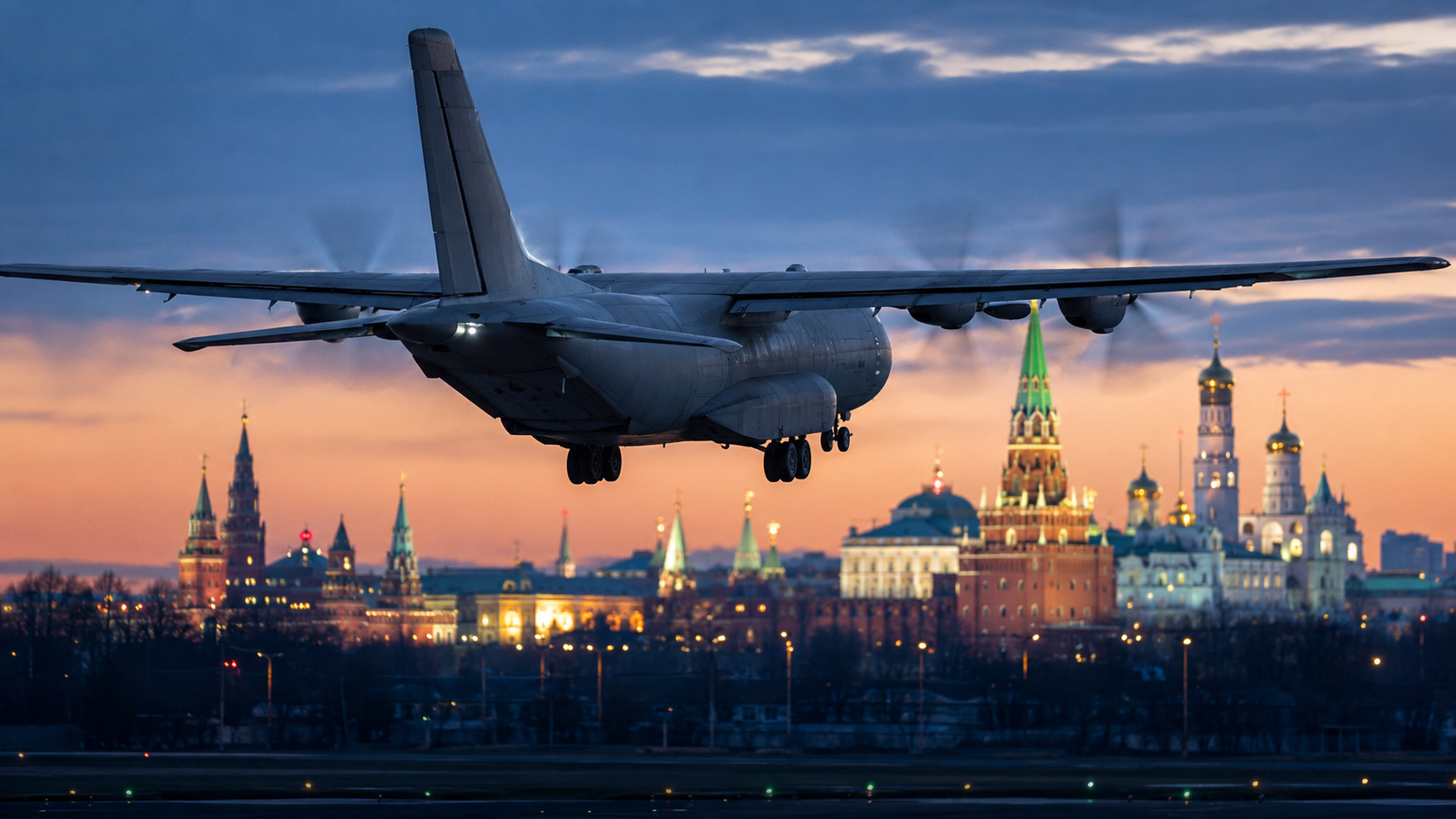
CIA Director’s Moscow Visit
For a sitting CIA director to quietly land in Moscow is unusual enough on its own. For it to happen during the fifth year of Russia’s war in Ukraine, with US-Russia relations at one of their lowest points in decades, is the kind of story that sends geopolitical analysts scrambling. That’s exactly what happened this week, and the details of the trip explain a lot about where US-Russia relations — and several other simmering conflicts — actually stand right now.
Table of Contents
What Happened: Inside the Secret Flight to Moscow
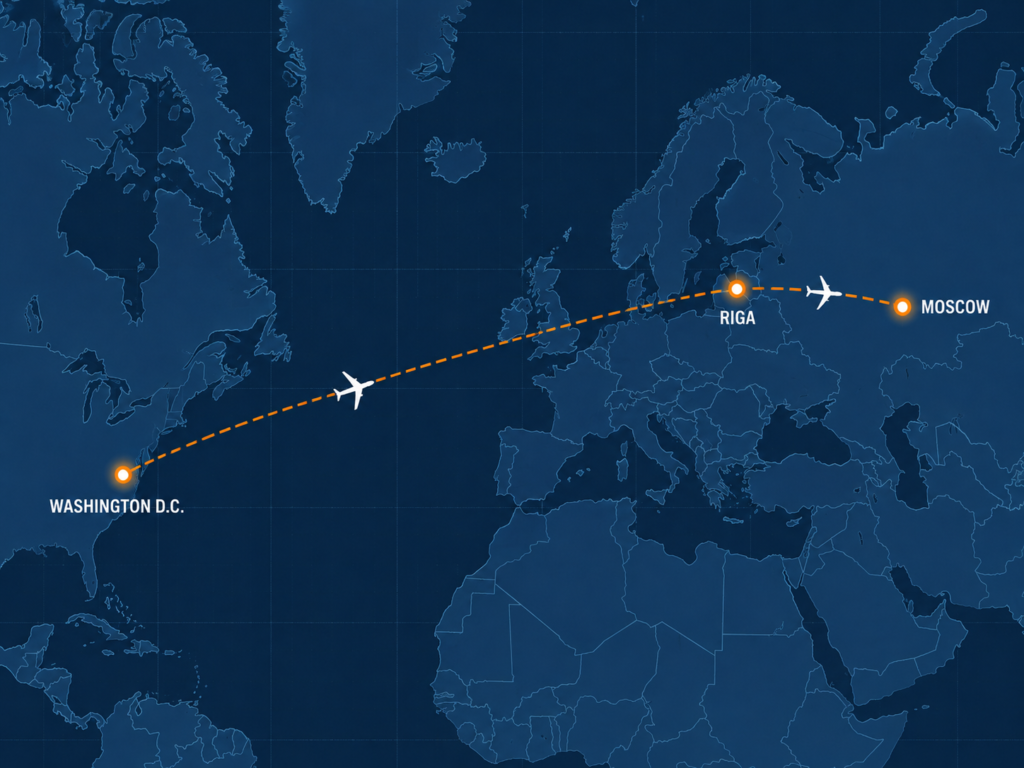
CIA Director John Ratcliffe traveled to Moscow this week for meetings with Russian officials, in what is being described as his first known trip to Russia since taking office and the highest-level visit by a Trump administration official to Russia since January.
Flight-tracking data showed the route clearly: a US military transport plane left Joint Base Andrews near Washington, stopped in Riga, Latvia, and then continued into Moscow’s Vnukovo airport on Tuesday morning before flying back out to Latvia that same evening. Videos of the aircraft landing, along with footage of a diplomatic motorcade moving through Moscow’s streets, spread quickly online.
Ahead of the visit, the United States reportedly asked Ukraine to pause long-range strikes on Moscow and other Russian cities for the duration of the trip — a request Ukrainian officials say they honored. Neither Washington nor Moscow has formally confirmed the visit. The CIA has declined to comment, and Kremlin spokesperson Dmitry Peskov has neither confirmed nor denied it outright, saying only that President Vladimir Putin did not meet with Ratcliffe personally, and that contact took place “more or less at the level of the special services.”
Why the Timing Matters: Ukraine’s Battlefield Pressure
To understand why this trip is happening now, it helps to look at what’s been going on along the front line and inside Russia itself.
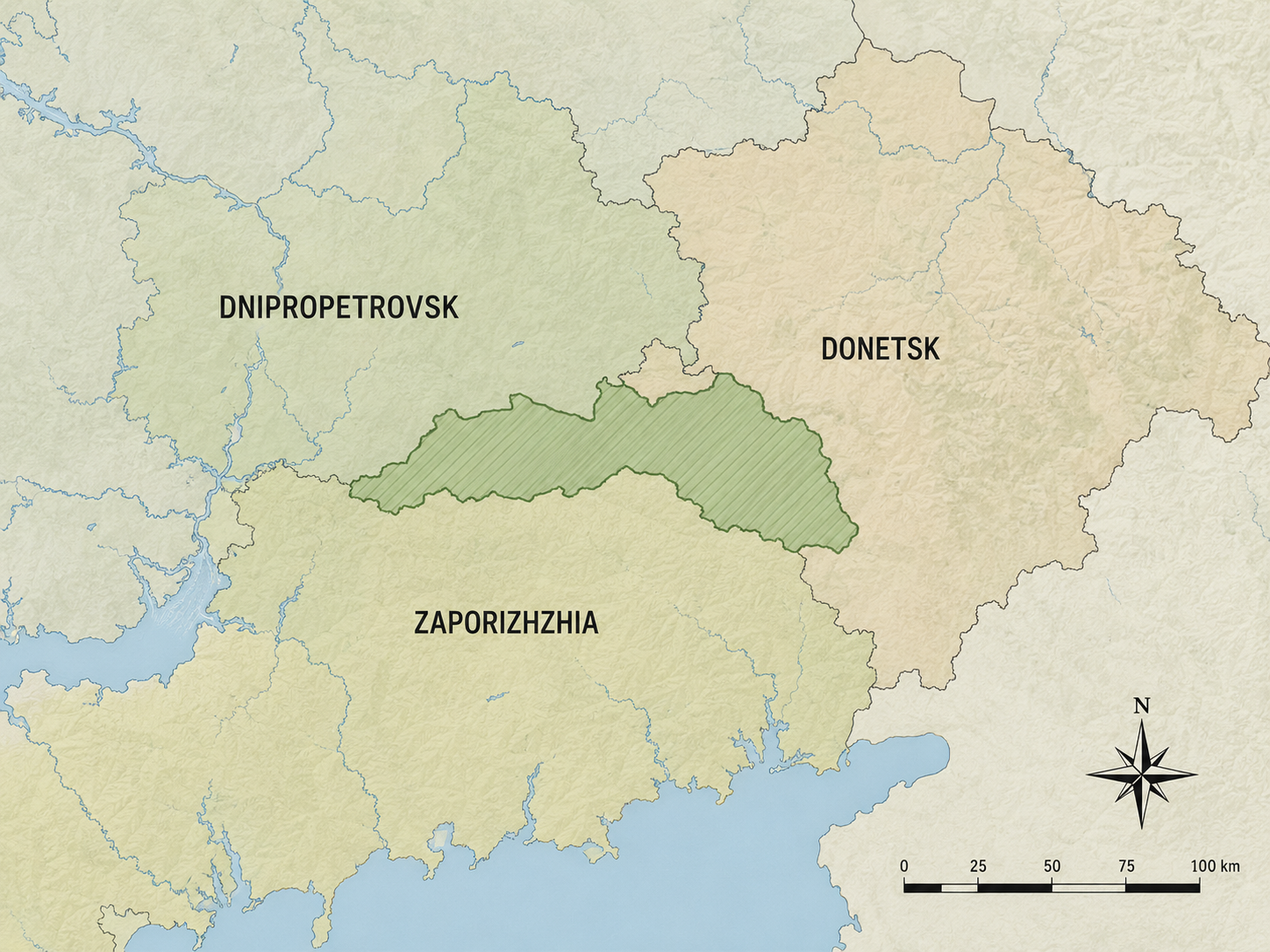
Ukraine has had a genuinely difficult few months to sell politically, but it has also made real gains. President Volodymyr Zelensky said Ukrainian forces have reclaimed 745 square kilometers of territory and 26 settlements across the Dnipropetrovsk, Donetsk, and Zaporizhzhia regions since the start of an offensive that ran from January through August 2026 — a rare instance of Ukraine regaining ground faster than Russia is taking it.
At the same time, Ukraine has shifted part of its strategy away from the front line and toward Russia’s economy. Since July, Ukrainian drones have repeatedly struck warehouses belonging to Wildberries and, more recently, Ozon — Russia’s two largest e-commerce companies, sometimes described as “Russia’s Amazon.” Kyiv says these hubs support Russia’s military supply chains; independent reporting has counted more than a dozen hubs damaged across both companies in a matter of weeks, along with sharp drops in both companies’ share prices.
For a president already under pressure to show progress after four extra years of a war he expected to win quickly, that combination — territorial losses and a bleeding domestic economy — makes for a frustrated Kremlin.
The NATO Question: Is Russia Testing the Alliance?
According to CBS News, multiple people familiar with the matter say a central purpose of Ratcliffe’s trip was to warn Russia against testing NATO’s resolve, amid US intelligence assessments that Russia could attempt a limited move against a NATO member state. Suspicious drone activity over NATO countries including Germany and Romania in recent months has fed that concern, though a direct Russian link to those incidents has not been officially confirmed.
The stakes behind that warning are enormous. NATO’s Article 5 commits all 32 member states to treat an attack on one member as an attack on all of them. If Russia struck NATO territory and the alliance responded collectively, the United States would be pulled directly into the fighting — a scenario some officials worry could escalate toward a much larger conflict.
It’s worth being precise here about what’s confirmed and what isn’t. President Trump, asked directly about this theory on Glenn Beck’s radio show, pushed back on it, describing the visit as “semi-routine” and saying it wasn’t intended to warn Putin off NATO or to seek Russian help on an unrelated matter involving Iran. He added that “something may come out” of the trip, tying it to his broader push to end the Russia-Ukraine war. So while CBS’s sourcing points to a NATO-deterrence purpose, the administration’s own public framing is more measured — a genuine point of disagreement between sources that’s worth flagging rather than glossing over.
The Iran Connection: Sanctions, Satellites, and Sanctions Again
The other major thread tying into this visit is Iran — and it’s more tangled than a single sentence can capture.
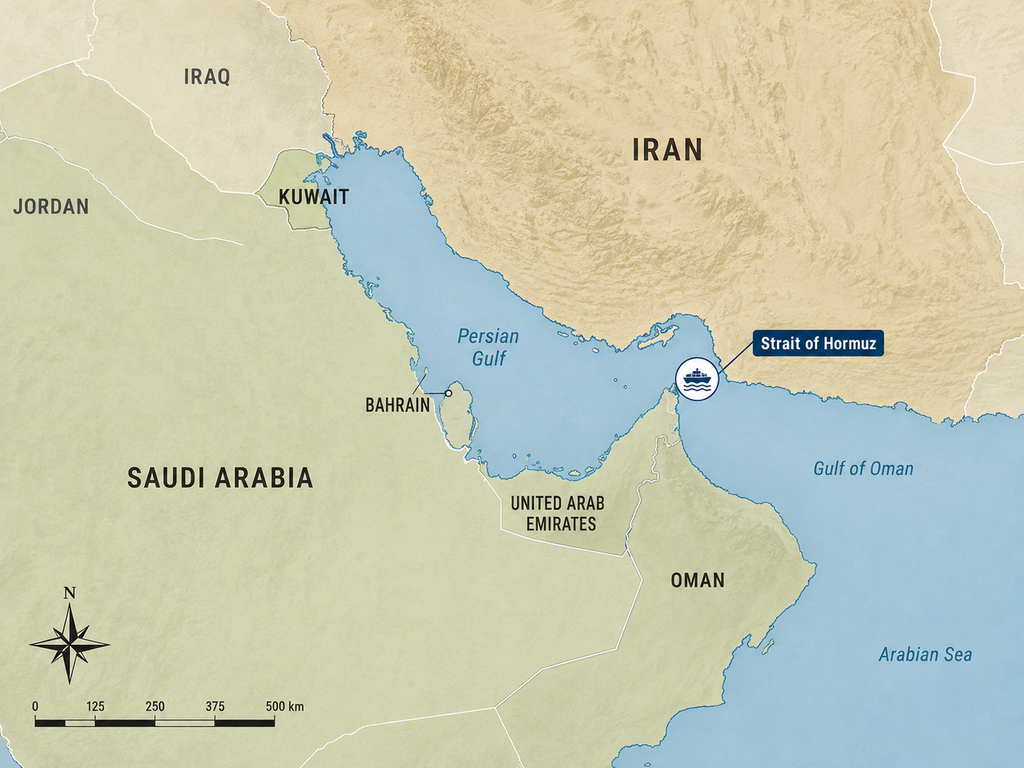
The United States and Israel have been in an active military conflict with Iran since February 2026, and it is approaching its six-month mark. During that stretch, Iran has carried out missile and drone strikes on US military installations and allied countries across the Gulf and Middle East, including bases in Kuwait, Jordan, and Saudi Arabia, resulting in American casualties.
Ukrainian intelligence assessments — reported by multiple outlets and cited by President Zelensky — allege that Russian satellites have repeatedly imaged US and allied military sites across the region, with that imagery reportedly reaching Iran both before strikes (for targeting) and afterward (to assess damage). Russia has not publicly confirmed this. According to CBS News, Ratcliffe specifically raised Iran with Russian officials during the Moscow trip — not primarily about the satellite-sharing allegations, but to warn of additional US sanctions if the Strait of Hormuz, a critical oil shipping route, is not reopened to normal traffic.
That warning lands alongside a much bigger sanctions push. On Monday, Treasury Secretary Scott Bessent announced a sweeping new sanctions campaign against Iran, dubbed “Operation Economic Outcast,” targeting Iran’s use of digital assets, technology, gold, aviation, and shipping to stay economically afloat, alongside sanctions on more than 60 individuals, entities, and vessels accused of helping Iran with nuclear and missile procurement, cyber operations, and oil revenue. Russia and Iran do maintain a documented trade and defense relationship — Iran has supplied Russia with Shahed-style drones for use in Ukraine, and the two countries continue billions of dollars in bilateral trade — which is part of why Washington would want Moscow’s cooperation, or at least its non-interference, on the Iran file.
A Prisoner-Swap Precedent: How the CIA Actually Talks to Moscow
It’s also worth remembering that this isn’t unprecedented territory for the CIA, even if a Moscow landing is rare. The agency has a track record of quiet, high-level contact with Russian counterparts specifically around prisoner exchanges.
In April 2025, Ratcliffe was directly involved in negotiating the release of Russian-American Ksenia Karelina, who had been imprisoned in Russia on a treason conviction after donating roughly $51 to a Ukraine-focused charity. She was exchanged in Abu Dhabi for Arthur Petrov, a German-Russian national accused of smuggling US microelectronics to Russia. That swap followed a larger, historic 2024 exchange that freed Wall Street Journal reporter Evan Gershkovich, former Marine Paul Whelan, and others.
As of this year, an estimated 10 American citizens remain in Russian custody. Given that history, some kind of prisoner-related discussion during this visit is plausible — though most analysts believe it’s unlikely to be the sole purpose of a trip this high-profile and this carefully staged.
What Both Sides Are — and Aren’t — Confirming
Officially, the picture is murky by design. Neither government has confirmed the substance of the talks. The Kremlin says Ratcliffe met with Russian intelligence counterparts, not Putin himself, and that it has no independent information about the aircraft involved. The CIA has declined all comment. This pattern echoes the last time a CIA director visited Moscow: in November 2021, then-CIA chief William Burns met with Putin and senior Russian officials in an unpublicized trip — roughly four months before Russia’s full-scale invasion of Ukraine began. That earlier visit, notably, did not prevent the war it may have been intended to head off.
A former British military attaché who served in Moscow from 2019 to 2022 described this kind of trip as “escalation management” — a high-level attempt to keep a tense situation from spiraling further, rather than a sign that a breakthrough is imminent.
What Happens Next
Whatever the exact mix of motives — NATO deterrence, Iran, prisoners, or simply keeping a channel open between two nuclear powers — the fact that this meeting happened at all says something about how seriously Washington is treating the current moment. Diplomacy of this kind rarely produces a public announcement or an immediate resolution. It tends to show its effects later, in whether things that were expected to escalate, don’t.
A quick note on this story: several of the claims here — particularly around Russia’s alleged intelligence-sharing with Iran and the precise purpose of the visit — rely on anonymous sourcing and, in some cases, statements from an involved party (Ukraine) about an adversary (Russia). We’ve tried to be clear above about which claims are officially confirmed, which are attributed to specific outlets or officials, and which remain disputed or denied.
If you want to understand how we got to this point in the Russia-Ukraine war, or how the US-Iran conflict has evolved since February 2026, those are good next places to dig in on A1InfoHub.
Click here to read more A1-InfoHub.com

